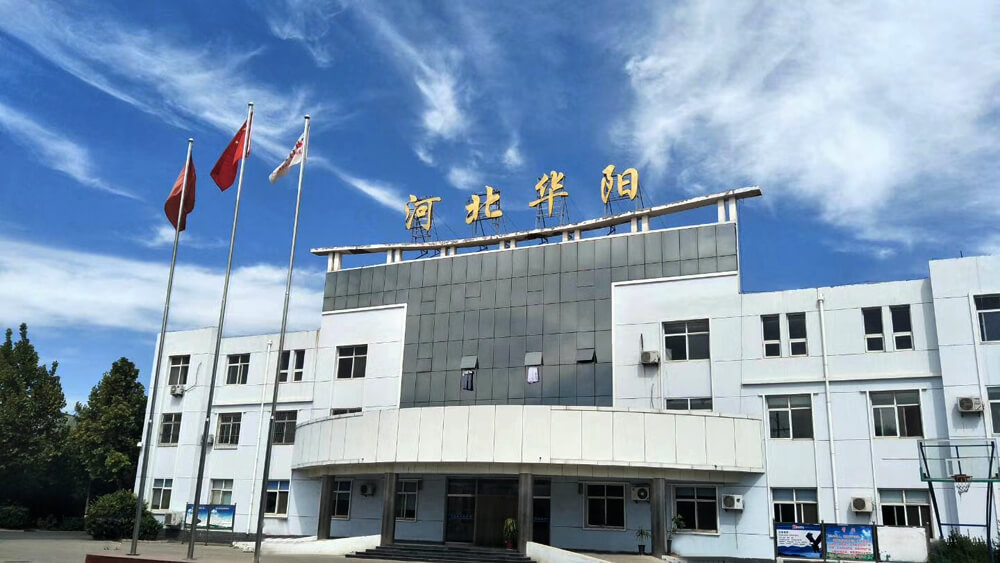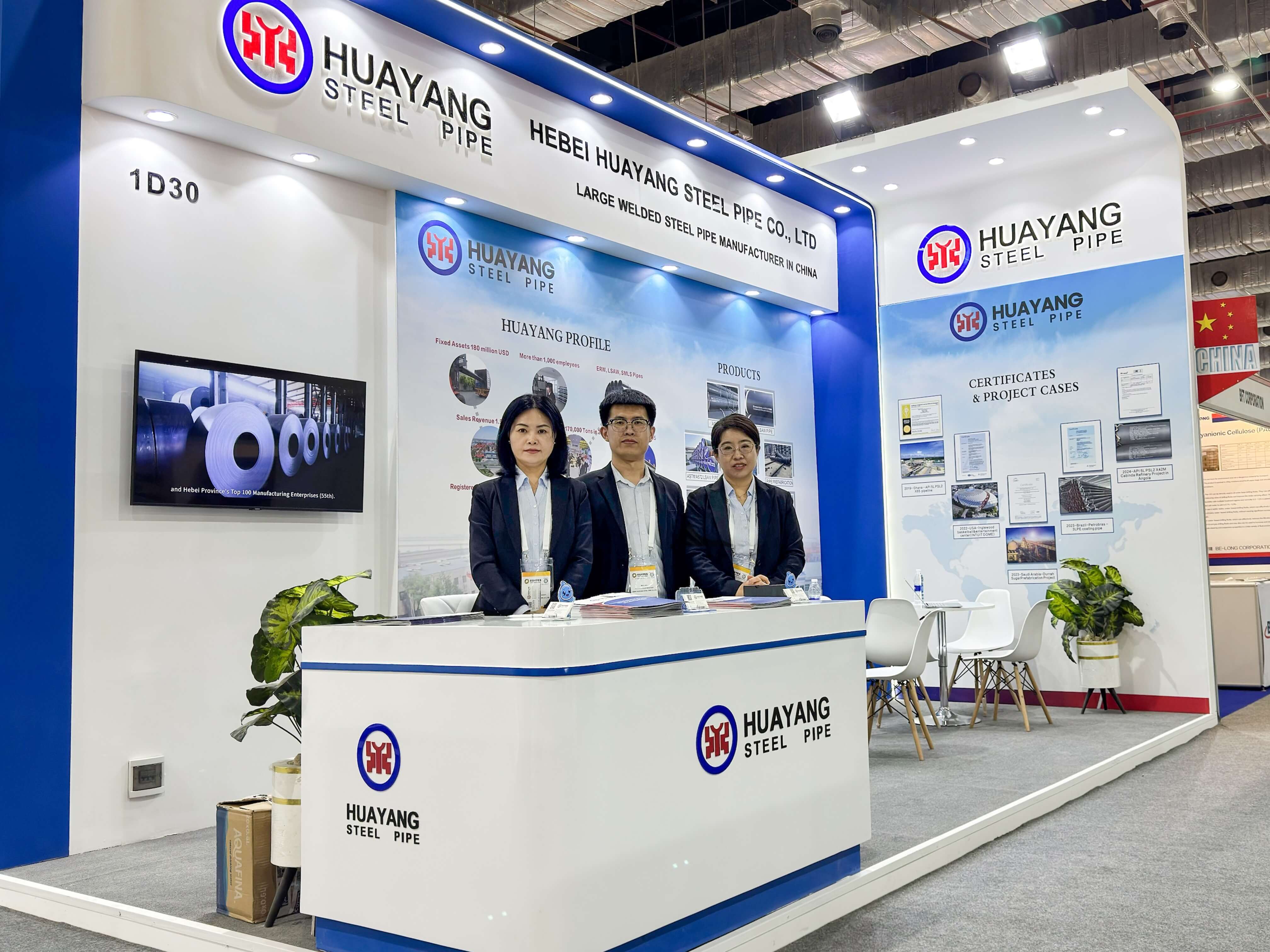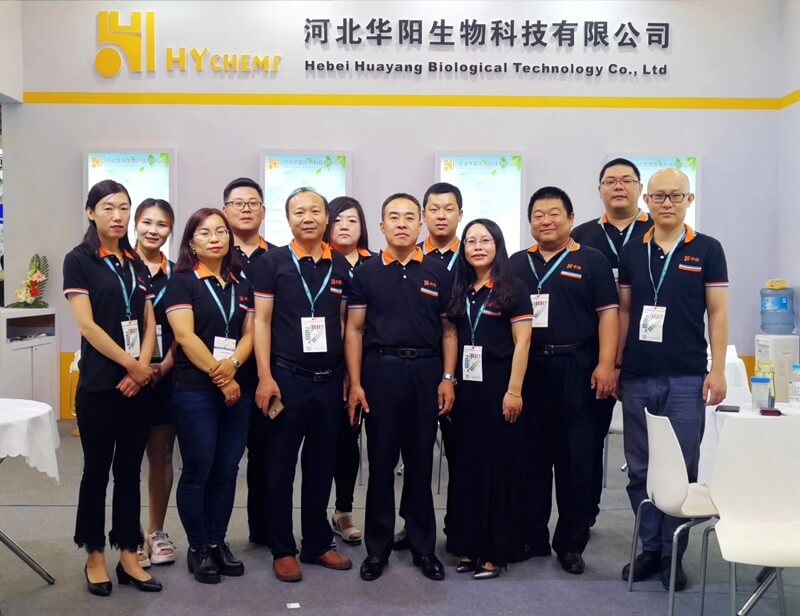
Producing chemicals in Hebei often means feeling the pulse of the entire region’s industry. From the vantage point of a manufacturer, watching the evolution of companies like Hebei Huayang Group means more than observing competitors. It prompts reflection on what it means to stay resilient in a market pressed by global changes, environmental mandates, and rising expectations from both customers and regulators. Hebei Huayang Group, as one of the prominent chemical producers, mirrors many of the dilemmas and hard-learned lessons all manufacturers have faced over the past decade. Its growth, product development, occasional setbacks, and response to policy reflect the challenges that shape everyone working on factory floors and managing supply chains in the sector. Every adjustment in procedure or product is backed by months — sometimes years — of research, facility upgrades, and negotiations with stakeholders who never stand still. Chemical producers in Hebei need to constantly adjust to shifting safety regulations and environmental requirements. Local authorities strengthen inspections and environmental impact reviews more frequently. In this climate, any chemical firm that wants to avoid shutdowns and penalties must invest in cleaner technologies, waste management systems, and smarter process controls. Operating inside a facility means regularly meeting inspectors, revising standard practices, and updating records. This takes time and substantial capital, which adds pressure to streamline operations beyond what’s necessary for short-term profit. Hebei Huayang Group faces the same difficulty: balancing productivity with the need to install emission treatment equipment, retrofit older production lines, and train employees on new safety protocols. Over time, these measures reduce unplanned stoppages and keep both workers and surrounding communities safer. Renegotiating how to source raw materials, dispose of byproducts, and update certifications can slow output, but each step cements a reputation for responsibility that regulators and long-term customers value. Raw material shortages and logistics bottlenecks hit everyone on the ground—whether in loading bays, procurement offices, or control rooms. In direct production, every hour lost stretches lead times and erodes trust with downstream clients in agriculture, plastics, detergents, or construction. Hebei Huayang Group’s size gives it certain advantages in negotiation and stockpiling, but no company is immune to the spiraling costs when supply chains buckle. Facing these issues requires not only good relationships with upstream suppliers but also flexibility within production to switch between different chemical routes, depending on what’s available. Inside the plant, every upgrade to control systems or automation addresses not just production speed, but the need for reliable, real-time data. This visibility is essential for handling disruptions—adjusting formulations, recalibrating dosing, or meeting last-minute orders. All these investments stem from lessons learned: experience teaches that no batch of chemicals gets produced from a desk. It results from a network of people who learn to anticipate risk, devise contingencies, and build trust inside and outside factory gates. People form the backbone of every improvement in manufacturing. Hebei’s chemical plants draw on a mix of seasoned engineers, young chemists, equipment technicians, line operators, and logistics teams who live with the results of every technical decision. Over the years, training programs have evolved from simple compliance talks to hands-on sessions developing new process skills or safety drills. Hebei Huayang Group, among others, benefits from employees whose experience spans different plant generations. Retaining that knowledge, especially as older workers retire, matters more than ever—real solutions come from teams that blend new technical approaches with wisdom rooted in labor. The most effective improvements in environmental controls, process safety, and energy efficiency start by involving front-line staff rather than drawing up plans at a distance. Confidence grows with participation, and so does the willingness to adopt new methods, whether that means running advanced analytical instruments or maintaining more complex reactors. Regulatory enforcement in China’s chemical industry has grown tougher and more immediate. Inspection campaigns target hazardous material handling, improper storage, and uncontrolled emissions. The risks of non-compliance do not just mean fines—they can lead to plant closures and reputational damage lasting years. Manufacturers that last, including those in the model set by companies like Hebei Huayang Group, dedicate resources to site monitoring, waste reduction, and community outreach. Physical infrastructure, such as on-site laboratories or improved waste water treatment, only achieves its goal when backed by operating standards rooted in company culture. Every incremental improvement in emissions control or energy performance not only reduces immediate liability but also allows steady expansion of business with domestic and export-focused buyers who face increasing requirements themselves. What matters is transparent measurement and real accountability, not quick fixes. Chemical manufacturing in Hebei grows only by thinking in terms of decades, not just annual reports. Handling raw materials, process changes, unpredictable demand, and rising costs puts weight on every decision in production planning. Mistakes in quality reverberate far outside a single plant, affecting relationships with clients for years. This reality pushes companies to build reliability in their systems and offer genuine technical support—not just deliver a product. Long-term success involves mentoring a new generation, finding sturdy alliances with academic institutions, and investing in research projects that may not bear fruit instantly. Experience demonstrates that resilience comes from a blend of incremental plant improvements, careful capital expenditure, and team-wide buy-in on critical issues—from product purity to social responsibility. Keeping pace with market shifts means engaging not just with local industry peers but also global standards—both in product quality and responsible practices. The willingness to adopt process digitalization, scale up greener chemical routes, or secure outside technical expertise separates stagnant companies from those developing new markets. Hebei Huayang Group’s trajectory provides a marker for others in the sector: survival and growth draw from continual learning, willingness to adapt, and active collaboration with suppliers and regulators. No factory flourishes in isolation. The pressures seen across Hebei—environmental targets, workforce transitions, and tougher client audits—eventually run through every manufacturer’s daily work. The future favors those who treat compliance, efficiency, and innovation as interconnected priorities, learned through years of running real plants and facing real-world problems firsthand. Mobile: +8615371019725E-mail: sales7@alchemist-chem.comWebsite: www.hebei-huayang.com
Read More